Many clubs know that they need to be more visible online, but when setting up their own website the next question quickly arises: What really belongs on it? Which content is mandatory, which helps members, sponsors and parents, and what ultimately makes a club website really useful?
The short answer: A good website for a football club doesn't need as many pages as possible, but rather the right content in the right places. If the structure, topicality and orientation are right, the club appears more professional and at the same time saves time in everyday life.
If you first want to take a look at how a modern solution for clubs can be structured, you can find the relevant page for the club website here and an overview of all products here.
Why the content is more important than the design alone
Many club websites look good at first glance, but they don't really help visitors. The problem is usually not the design, but the lack of structure. Anyone who comes to the site wants to understand in just a few seconds:
- who the club is
- where he plays
- which teams there are
- how to get in touch
- where current information is located
If these points are not clearly located, the website quickly loses its impact, even if it looks visually modern.
These 10 pieces of content should not be missing from any club website
1. A clear homepage with the most important benefits
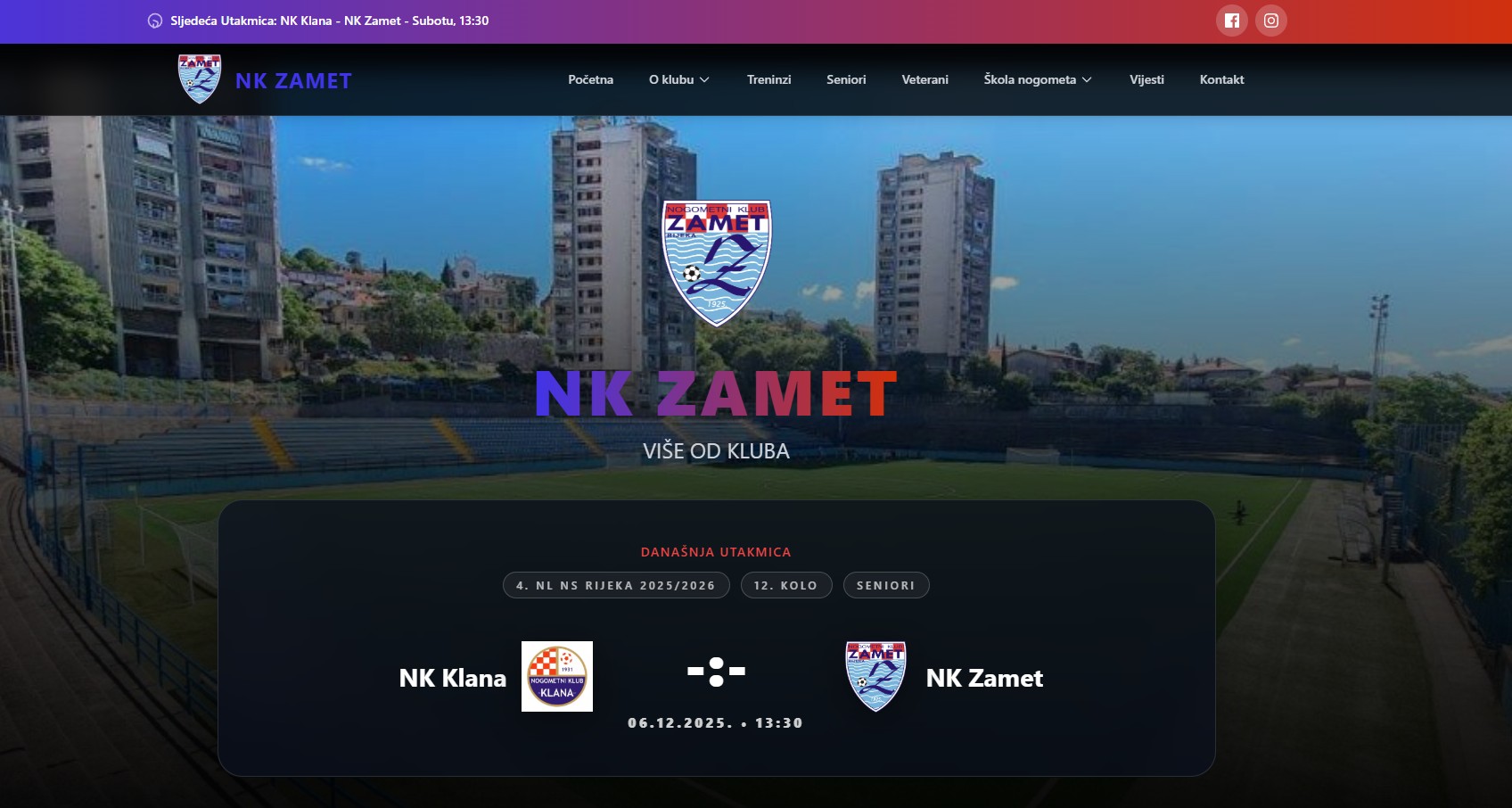
The homepage is not just a greeting, but the most important orientation page. It should immediately show what the club is about and what visitors can do next.
The important things here are:
- a clear main image or club motif
- a short introduction
- visible links to teams, news, contact and game operations
- current or particularly important content
2. A clean presentation of the club
Every club needs an area that briefly and credibly explains what it stands for. This creates trust among parents, new players, sponsors and partners.
These typically include:
- Club profile
- History or development
- Values and priorities
- Contact person or board member
3. Teams and teams with their own structure
Visitors often search for a specific team. That's why teams shouldn't just appear somewhere in the menu, but should be clearly structured.
It makes sense:
- Men
- Ladies
- Youth
- Trainer team
- Training times and venues
This is precisely where you can see whether a club website really works in everyday life or is just a digital business card.
4. Fixtures, results and tables
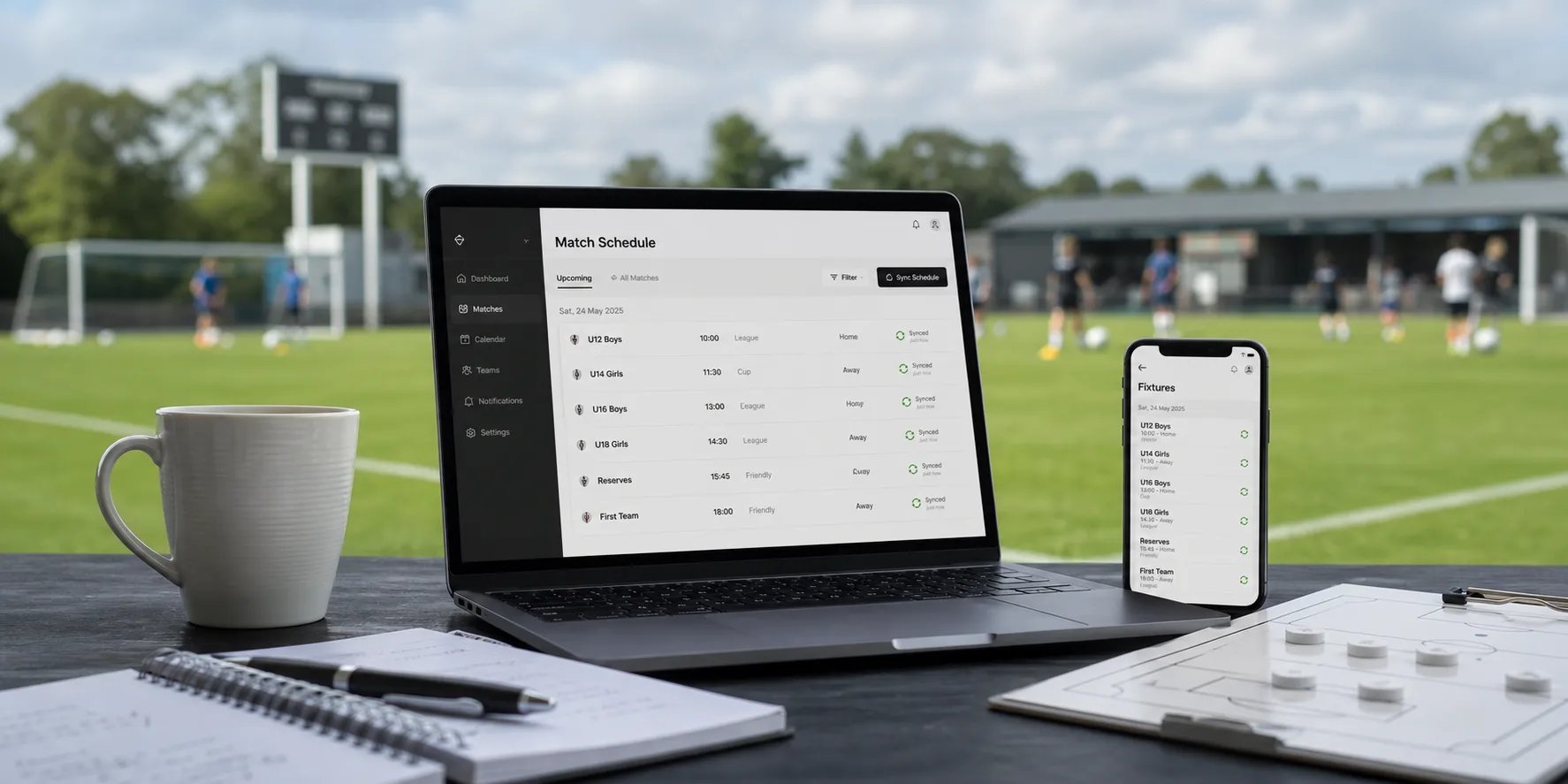
For many users, this is the most important area of all. Anyone who visits a club website often wants to see directly when the game is being played and how the last games ended.
If this information is missing or appears out of date, the website will quickly lose credibility. This is exactly why a club website with an integrated focus on game operations makes more sense for many clubs than a rigid standard site. You can find out more about this directly on the club website for football clubs.
5. Current news and club announcements
A website without current content quickly appears abandoned. Even short messages make a big difference, for example:
- Game reports
- Tournament Announcements
- Club news
- Youth activities
- personnel changes
News not only helps members and fans, but also for search engines. Every good, thematically appropriate report can build additional visibility.
6. Clear contact options
A club website must make contact easy. These include:
- general contact page
- Contact person by area
- Email or form
- If necessary, responsibilities for youth, seniors or trial training
Especially new members, parents or potential sponsors drop out if they don't find the right person quickly.
7. Information for new players, parents and interested parties
Many clubs think from their internal perspective. However, visitors often come to the site from outside and have completely different questions:
- How can you become a member?
- Is there a trial training session?
- What age groups are there?
- Who is the contact person for youth players?
If these answers are missing, the website is wasting concrete growth potential.
8. Visibly integrate sponsors and partners
Sponsors don't just want to appear somewhere in the footer. A good club website shows partners visibly and professionally.
This helps twice:
- better external impact for the club
- more arguments in sponsor discussions
The more professional the digital presence, the easier it is to explain the benefits to partners.
9. Don't forget the legally required pages
Imprint, data protection and other mandatory information do not seem exciting, but they are indispensable. At the same time, they belong neatly into the structure and must be easy to find.
Many clubs underestimate exactly this point. If you are looking for more advice on this, the combination of products and direct exchange also makes sense later.
10. Clear action guidance on every important page
The best club website not only answers questions, but also guides visitors. Every important page should show what makes sense next:
- Get in touch
- Request trial training
- View team
- Compare prices or product solutions
It is exactly this kind of action that is completely missing on many club websites. This means that the website is read but not used.
How you can recognize a good club website in practice
You can't recognize a good website for football clubs because it has as many effects as possible or a lot of text. What matters is whether it works in everyday life.
The most important questions are:
- Can visitors quickly find the most important content?
- Can those responsible for the association maintain the site themselves?
- Are game operations, news and contacts up to date and clear?
- Does the club appear professional towards sponsors, parents and new members?
If these four points are correct, the website has real added value.
Why a club website should not be thought of in isolation
The website is usually not the only digital topic in the club. Additional requirements are often added later, for example:
- App for member communication
- Streaming solutions
- digital product modules for several club areas
That's why it's worth taking an early look at the entire platform and not just a single page. An overview of this can be found in the Product overview.
Conclusion: The right content makes the difference
A website for football clubs doesn't have to be complicated, but it does need a clear structure. Anyone who clearly displays the most important content creates visibility, trust and significantly better orientation for members, parents, players and sponsors.
If you want to build or improve a club website, first look at the solution for Club website and then get an overview of the products.
If you want to check directly what a suitable solution for your club could look like, a free test phase is the best next step.